Building Supply-Chain Resilience in an Era of Disruption
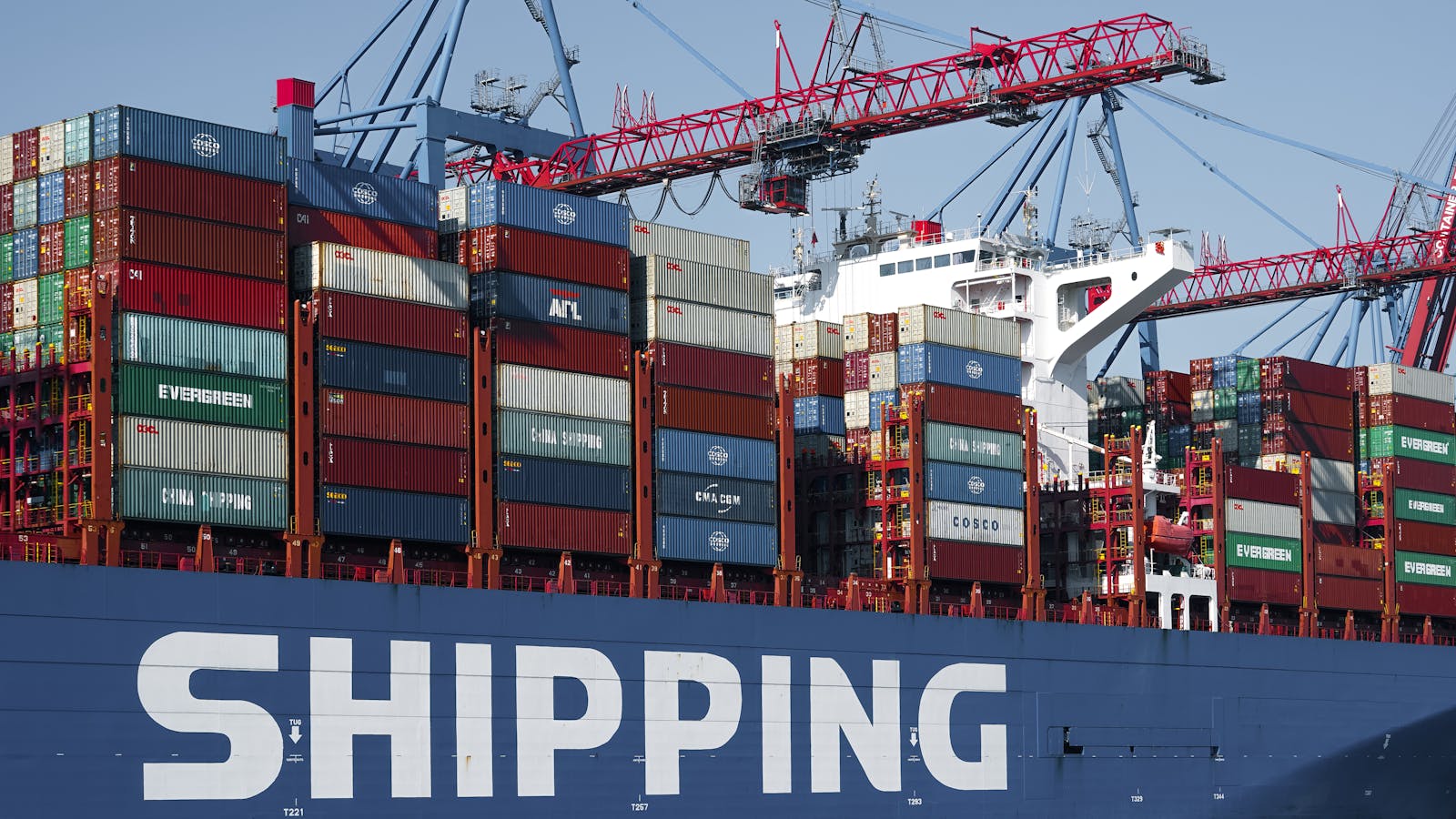
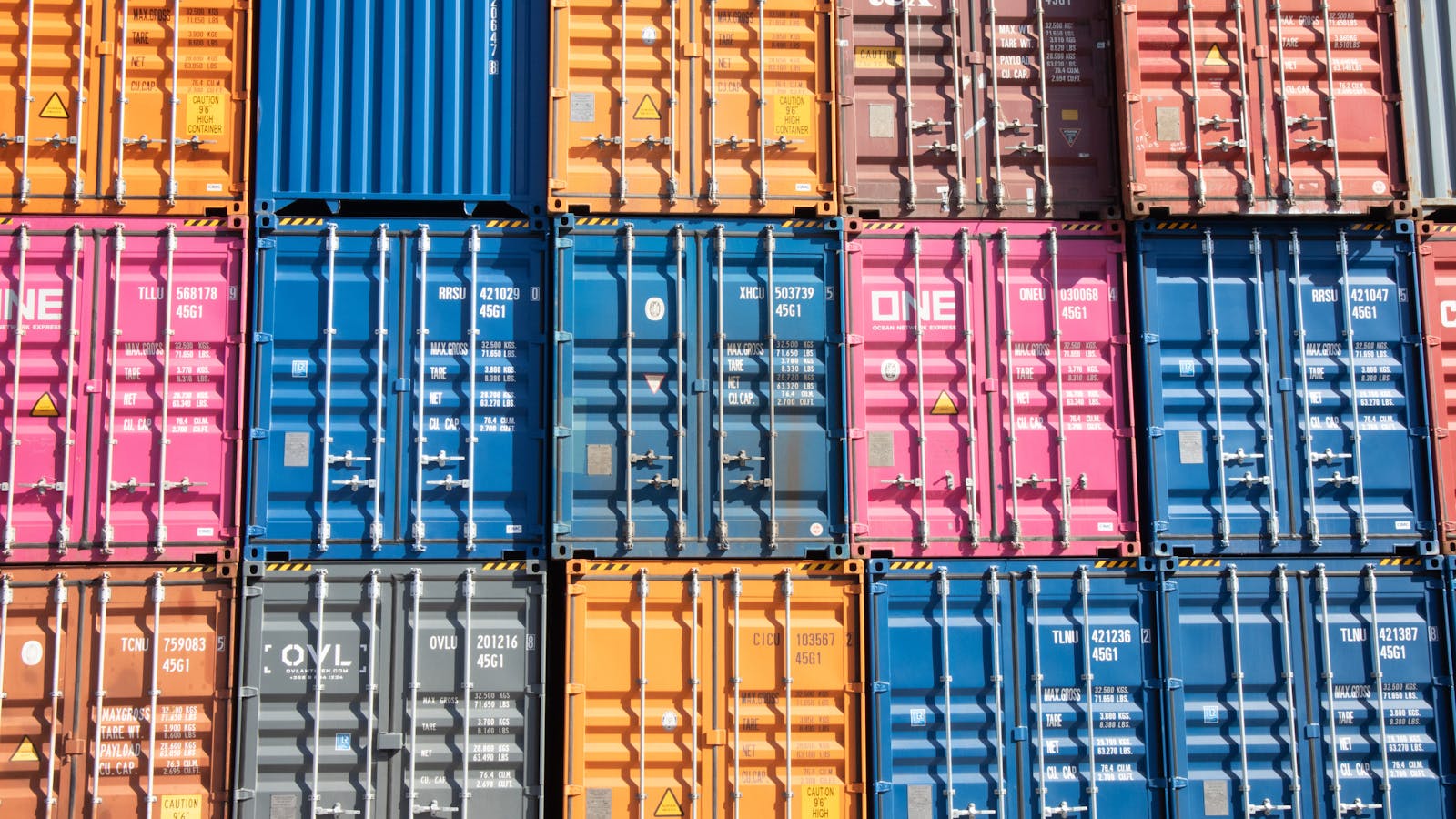
For most of the last two decades, supply chains were optimised almost entirely for cost. Lean inventories, single low-cost suppliers and just-in-time delivery delivered impressive efficiency — until they did not. A run of shocks, from pandemics to port closures to geopolitical disruption, has taught procurement leaders an expensive lesson: efficiency without resilience is fragility waiting to happen.
Resilience is designed, not improvised
Resilient supply chains do not happen by accident. They are the product of deliberate decisions made long before a disruption arrives. The organisations that weather shocks best tend to share a few common habits.
- Supplier diversification. Relying on a single source — or a single region — concentrates risk. Qualified alternatives, mapped in advance, turn a crisis into an inconvenience.
- Visibility beyond tier one. Knowing your supplier is not enough; knowing your supplier's suppliers is what reveals hidden dependencies before they fail.
- Strategic buffers. For critical items, a modest, well-placed inventory buffer is cheap insurance against a costly stock-out.
The case for a single accountable partner
Diversification creates a paradox: the more suppliers you add for safety, the more complexity you take on. This is where a sourcing and procurement partner earns its place. Rather than managing dozens of relationships, regions and compliance regimes directly, organisations can consolidate that complexity under one accountable partner who maintains the vetted supplier network on their behalf.
The result is the best of both worlds: the resilience of a diversified supply base, without the overhead of managing it. When disruption strikes, the alternatives are already qualified and the documentation is already in order.
Start before you need it
The worst time to build resilience is in the middle of a crisis. The best time is now, while there is room to qualify suppliers carefully, negotiate sensibly and design the redundancy that turns the next shock into a manageable event rather than an existential one.